>_ Finance Literacy Platform

YOUR MONEY. YOUR RULES. YOUR FUTURE.

Practical financial education for young adults who want to understand budgeting, manage debt, and build habits that actually stick. No jargon. No investment advice. Just real skills for real life.

// what we do

Financial literacy that fits your actual life

Tanefu Hawuta was built around a simple observation: most financial education either talks down to young adults or skips straight to investment portfolios that feel years away. We focus on the stuff that matters right now, like figuring out where your paycheck actually goes, understanding what debt really costs you, and building spending habits that don't feel like punishment.

Our courses are structured around practical scenarios. Each module walks through real situations, from splitting rent with roommates to understanding a credit card statement, and explains the financial mechanics in plain language. You learn by doing, not by memorizing abstract formulas.

See how it works

Young adult reviewing personal budget on laptop at a well-lit desk
// course areas

What you will learn

Four interconnected learning tracks, each designed to build on the last. Start anywhere based on what feels most urgent for you right now.

01

Household Budgeting

Learn to build a budget that reflects your actual income and expenses, not an idealized version of your finances. Covers income tracking, fixed vs. variable expenses, and building a monthly framework you can actually maintain. This track demystifies where money goes and gives you clear tools to redirect it.

Explore track
02

Debt Awareness

Understand how different kinds of debt work, what interest actually means in dollar terms, and how to read the fine print on loan agreements. This track covers student loans, credit cards, and personal loans without telling you what to do. Instead, it gives you the vocabulary and understanding to make your own decisions.

Explore track
03

Building Saving Habits

Saving consistently is less about willpower and more about system design. This track explores the psychology behind spending and saving, different approaches to building a financial cushion, and how to set up systems that work even when motivation dips. Practical, evidence-informed, and grounded in behavioral research.

Explore track
04

Everyday Money Decisions

Every day involves dozens of small financial decisions. This track covers grocery budgeting, subscription audits, understanding utility bills, and thinking about big purchases without buyer's remorse. It connects abstract financial principles to the actual choices you face at the checkout counter and the lease signing table.

Explore track
// our foundation

Education, not advice

Tanefu Hawuta is an education platform. We do not provide investment advice, financial planning services, or regulated financial products. Everything here is designed to help you understand how money works, so you can make your own informed decisions. That distinction matters because it keeps this platform honest, accessible, and genuinely useful.

Read our full mission
Small group discussion in a modern education space focused on personal finance topics
// the process

How the learning works

01

Choose your starting point

Pick the track that addresses your most pressing financial question right now. You don't need to start at the beginning or follow a fixed sequence.

02

Work through real scenarios

Each module uses concrete, realistic scenarios instead of abstract theory. You see the numbers, understand the mechanics, and apply the thinking to your own situation.

03

Build a personal toolkit

By the end of each track, you have a set of frameworks and habits you can apply immediately, not just a collection of facts to forget next week.

// our story

How Tanefu Hawuta came to be

2019

The gap identified

A group of educators and financial educators in Cincinnati noticed that young adults entering the workforce lacked foundational money management skills. Not because they were careless, but because no one had taught them. The idea for a plain-language financial education resource took shape.

2021

First curriculum developed

The household budgeting track launched as a pilot program. Feedback from early participants shaped the content heavily, particularly around the need for less jargon and more worked examples. The course structure evolved significantly based on what actually helped people.

2022

Platform goes online

Tanefu Hawuta moved from in-person workshops to a fully online platform, making the curriculum accessible to young adults across the United States. The debt awareness and saving habits tracks launched alongside the digital platform.

2024

Everyday decisions track added

Based on ongoing participant feedback, the everyday money decisions track was developed to bridge the gap between abstract budgeting principles and the hundreds of small financial choices people face weekly. This track became a foundational part of the curriculum.

2026

Expanding reach

Tanefu Hawuta continues to refine and expand its curriculum based on the evolving financial landscape facing young adults, from changing rental markets to new forms of consumer debt. The platform remains committed to education without advice, accessibility without oversimplification.

// from the blog

Recent reads

Short, practical articles on money concepts that matter to young adults right now.

Budget worksheet and calculator on a clean minimalist desk surface
Budgeting

The 50-30-20 rule: a starting point, not a law

You've probably heard this rule. Here's what it actually means, where it works well, and where it falls apart for people with irregular incomes or high rent burdens.

Read more
Person carefully reviewing a credit card statement at a kitchen table with focused expression
Debt

What APR actually means in your wallet

Annual percentage rate sounds straightforward until you try to figure out what it means for your actual monthly payment. We break down the math without the spin.

Read more
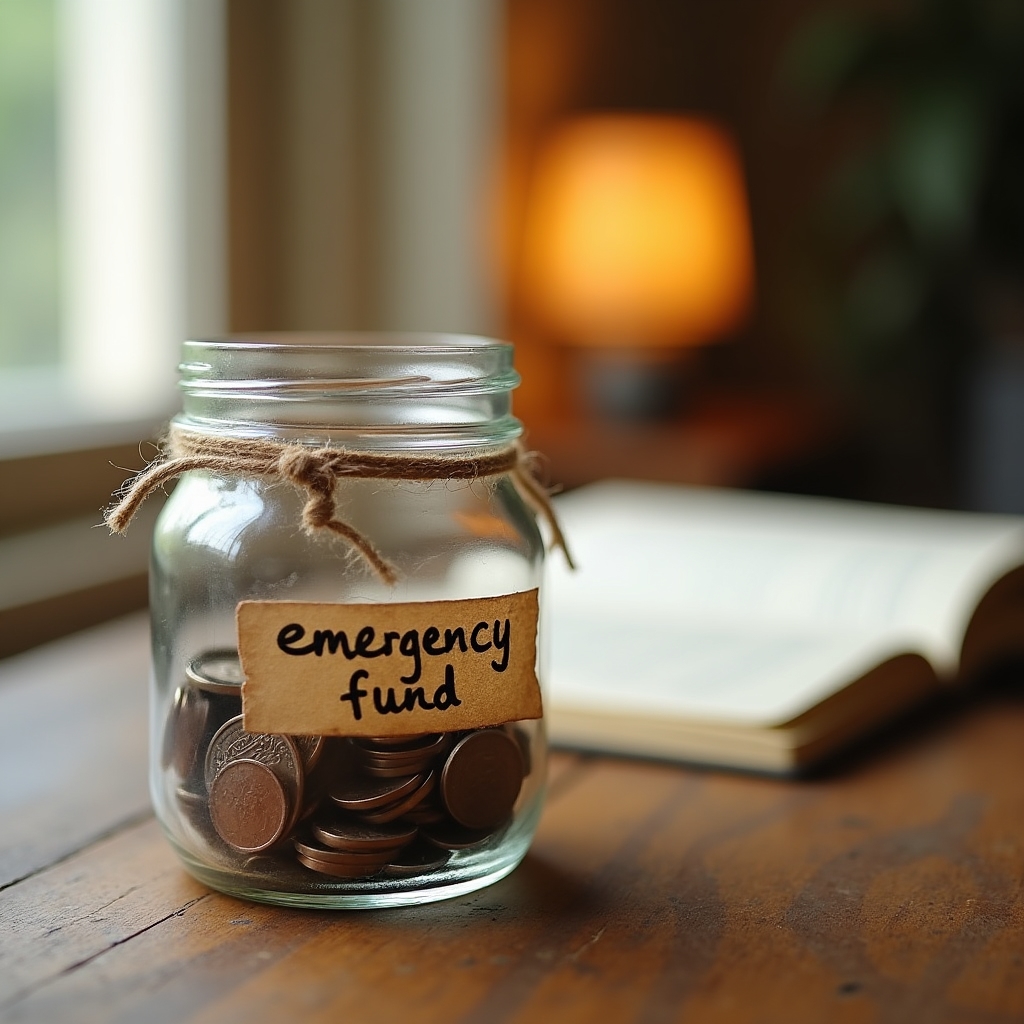
Glass jar with coins representing an emergency savings fund on a wooden surface with soft light
Saving

Starting an emergency fund when money is tight

The conventional advice says three to six months of expenses. Fine. But what do you do when you can barely save anything? This article starts from where most people actually are.

Read more

Ready to understand your money?

Explore the course tracks and find where you want to start. No financial background required.